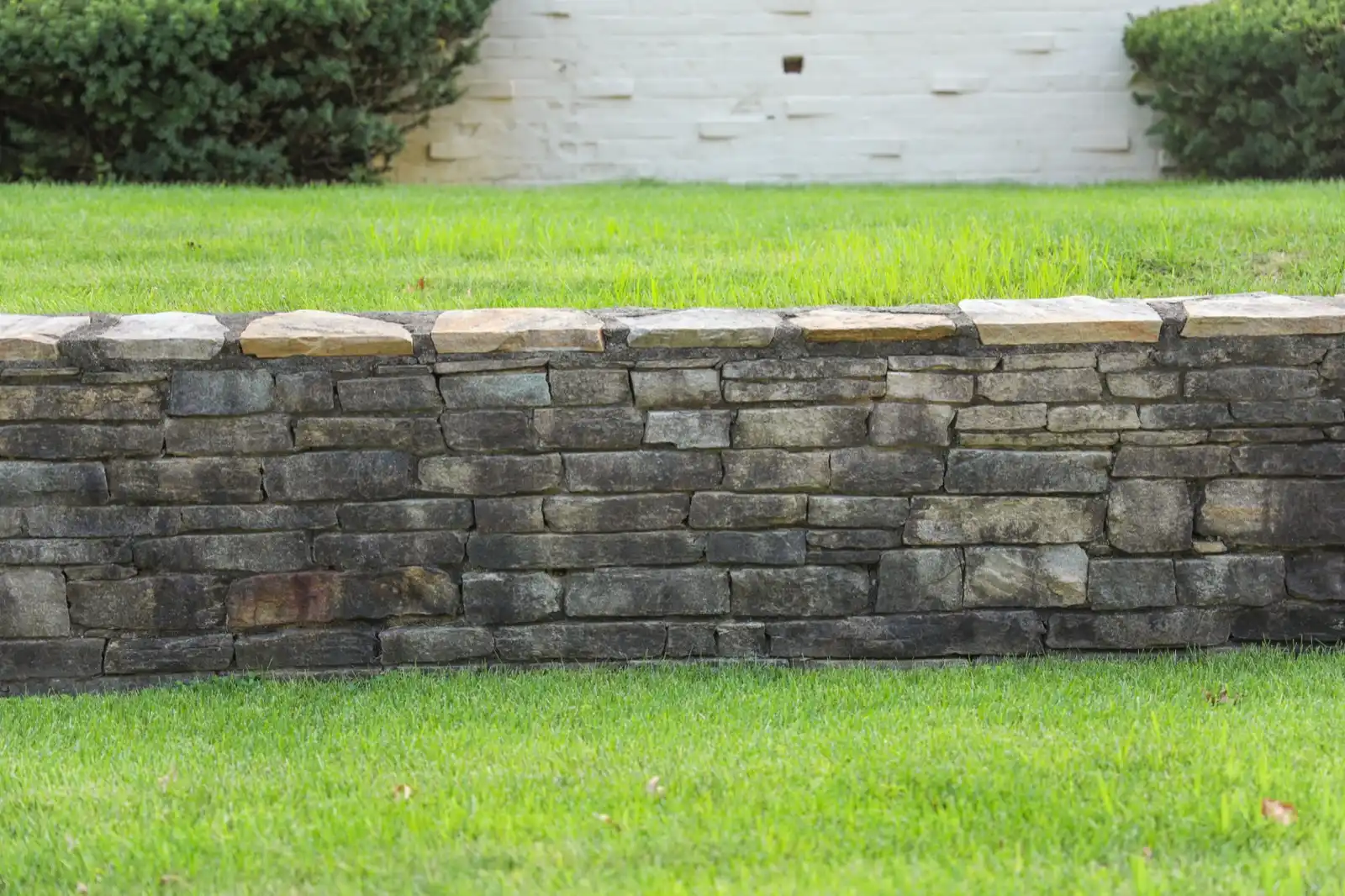
Meridian Retaining Walls covers small retaining walls in Meridian, from a single garden bed edge to a patio wall under 4 feet. Under Idaho’s adopted residential code, you don’t need a building permit for a wall up to 4 feet, measured from the bottom of the footing to the top, unless the wall supports a surcharge. Watch the buried part, though. It counts toward the 4 feet, so a wall that looks well under the line may sit closer to it than you think.
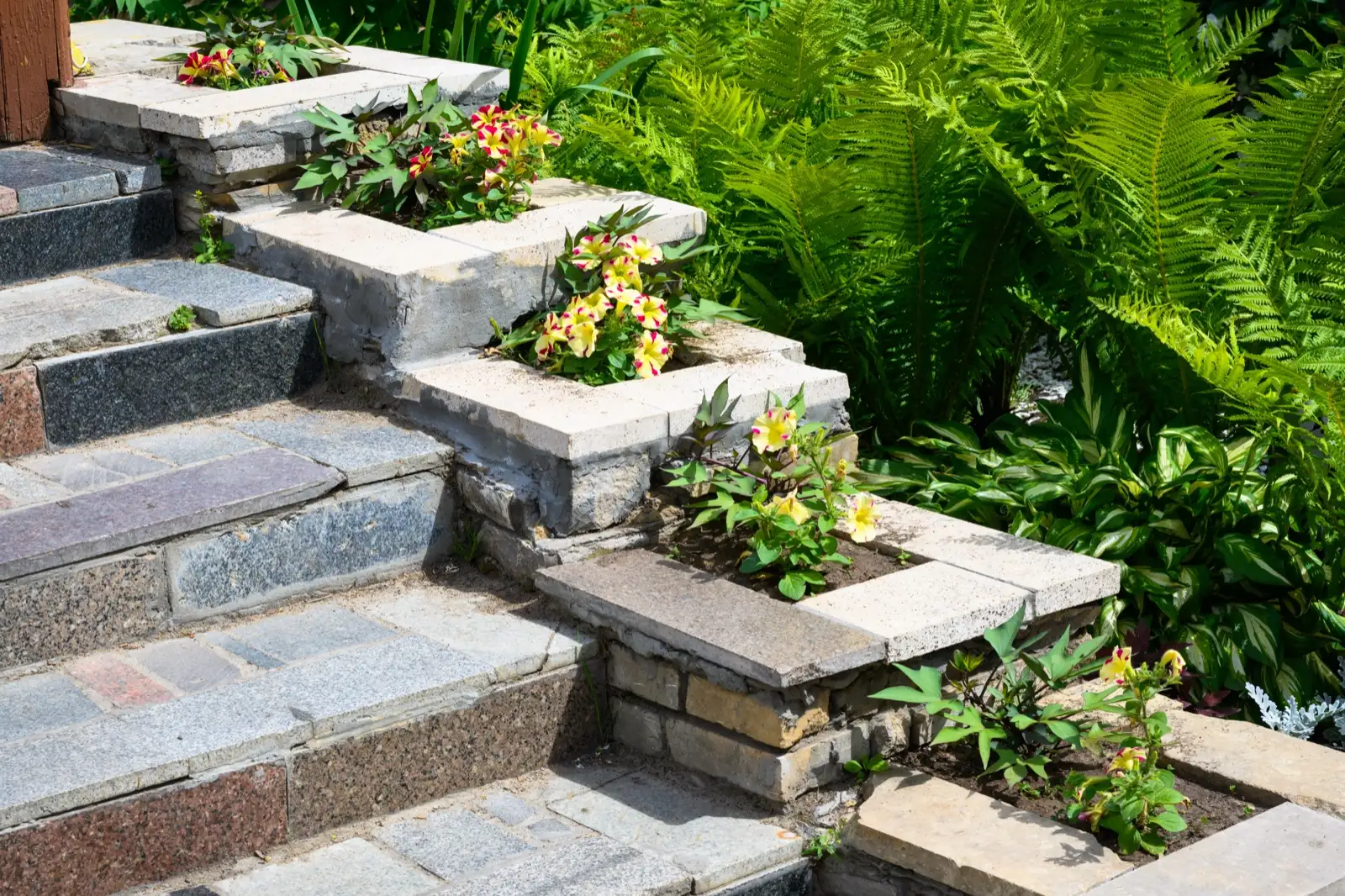
A bed edge, a border, a planter or a small grade change all count, and so does edging in block, stone or boulder.
- No permit up to
- 4 ft from the bottom of the footing, no surcharge
- Meridian wall over 4 ft
- R-MISC permit from Building Services
- Engineer, per one manufacturer
- Walls over 36 in
- 50 ft of wall, 2 ft high
- $2,000 to $6,000 (typical national range)
Small retaining wall services in Meridian
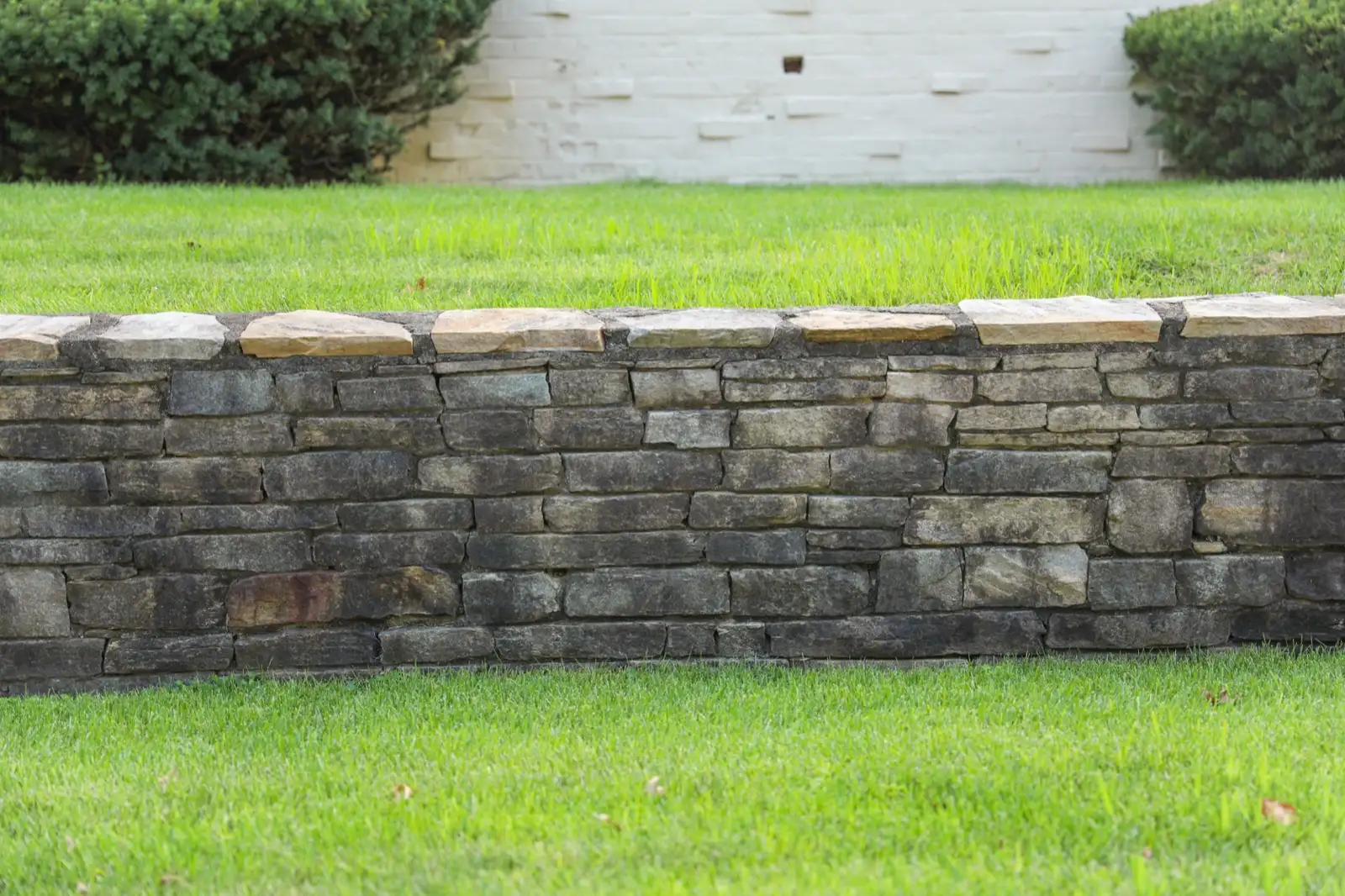
Garden bed and border retaining walls
A low wall for a raised bed or a lawn edge. For walls under 4 feet, the manufacturer’s installation guide sets the base trench at 18 inches wide and 4 inches deep, plus the buried block.
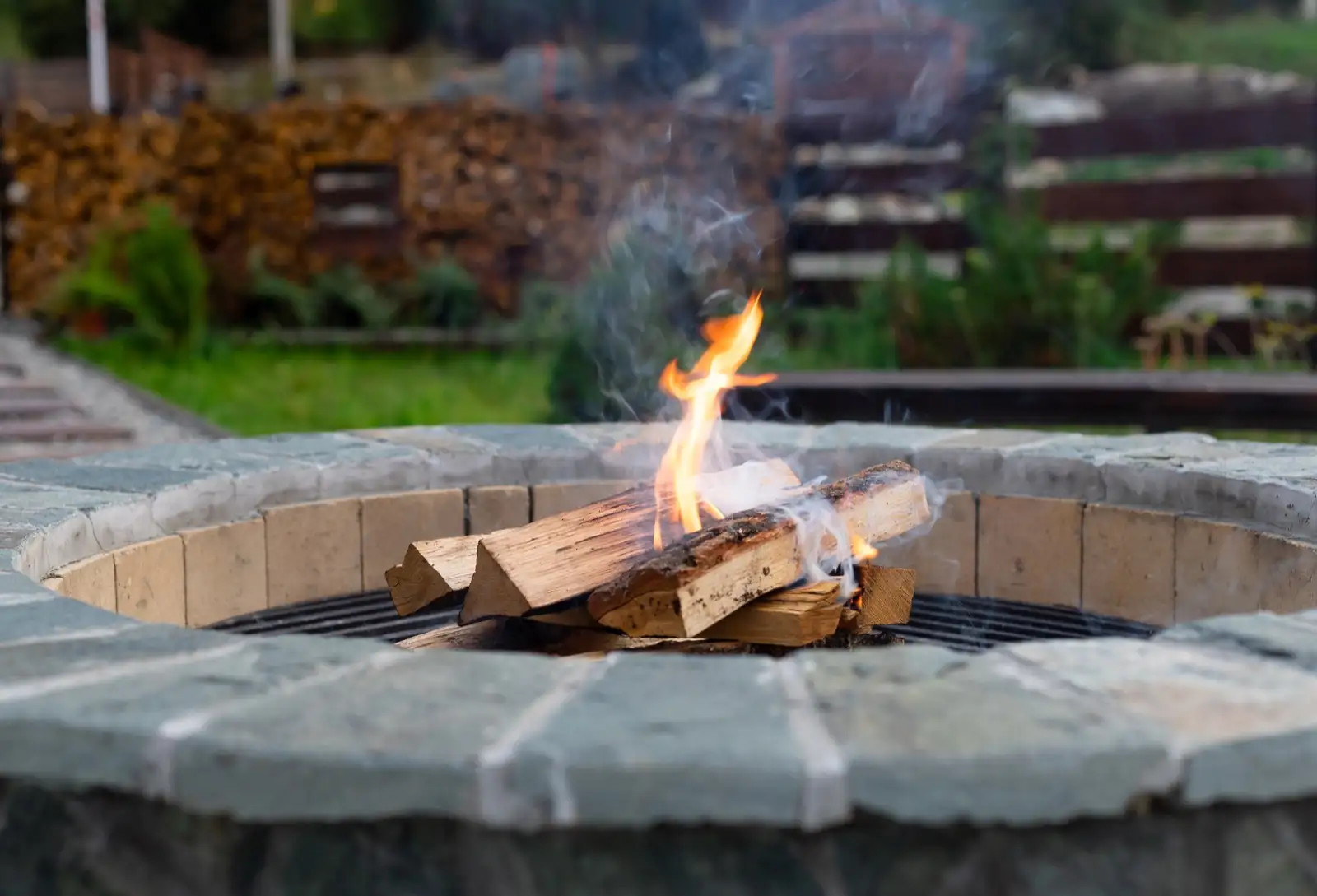
Patio-edge and seat walls
A wall for a patio cut into a slope, where whatever sits above it counts. Patios are among the common residential surcharges named in block manufacturer guidance, and a surcharge ends the permit exemption.
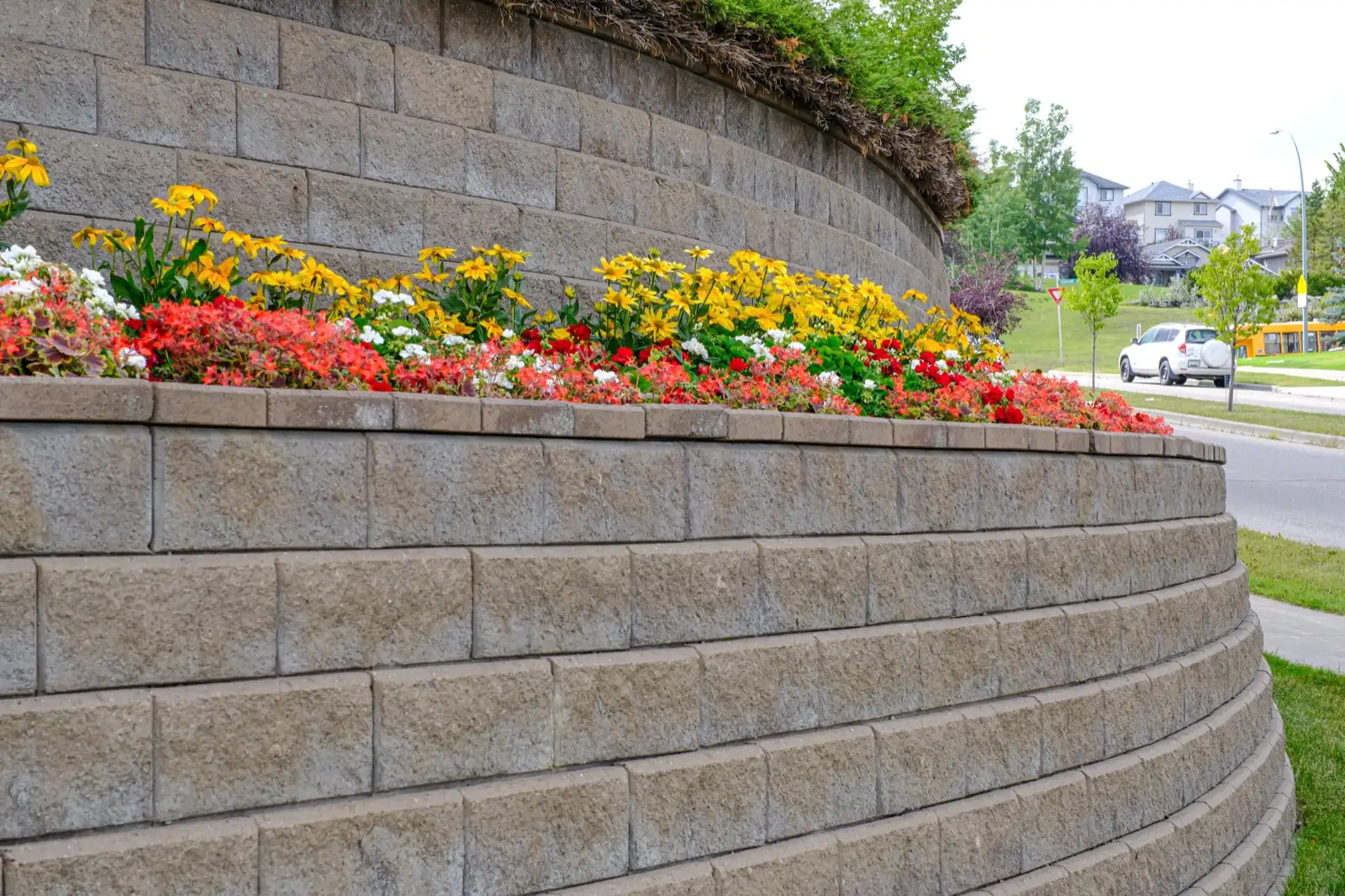
Low front-yard retaining walls
A street-side bed or short slope has to work within the street yard limits. Meridian limits a fence in the required street yard to 3 feet if closed vision and 4 feet if open vision, though the text names fences, not walls.
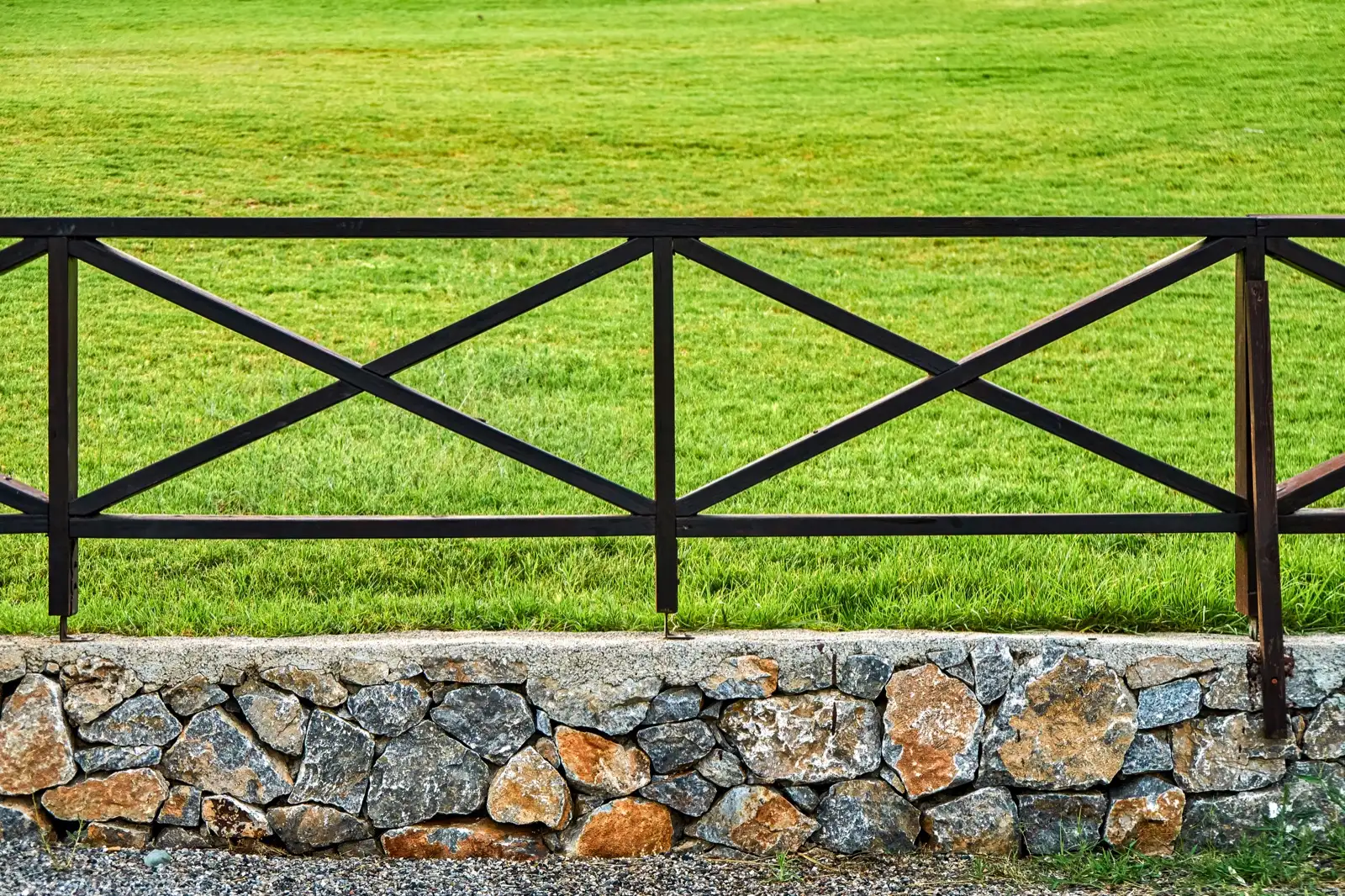
Small grade changes along a fence line
A short wall where one lot sits above or below the neighbor’s, with the easement marked before the line is set. Meridian gives typical easements of 10 feet at the rear and 5 feet on interior sides.
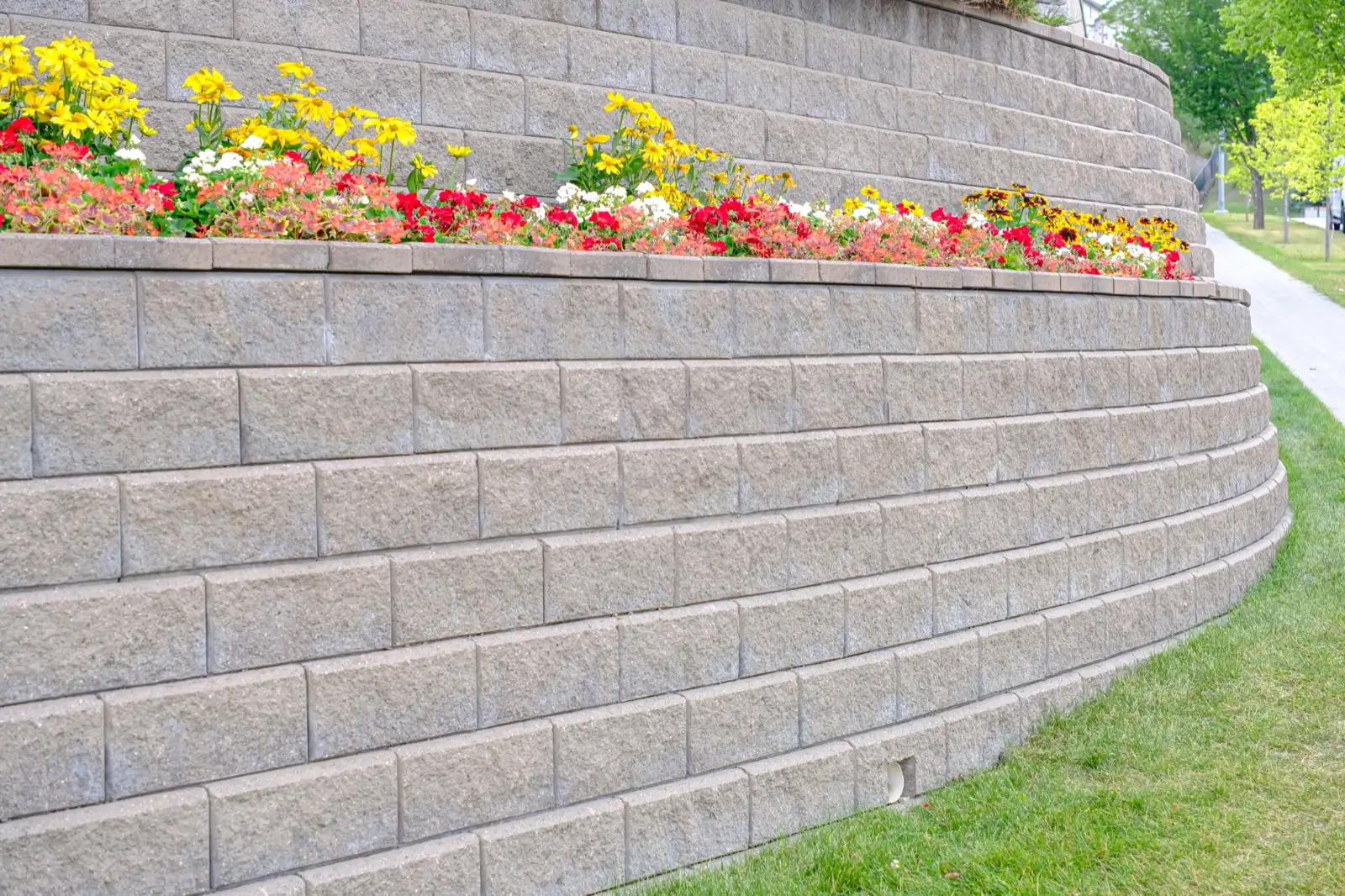
Short block retaining walls
A clean stacked face for a small slope. Unreinforced block typically stands 3 to 4 feet, less with poor soil or a load above: see block retaining walls.
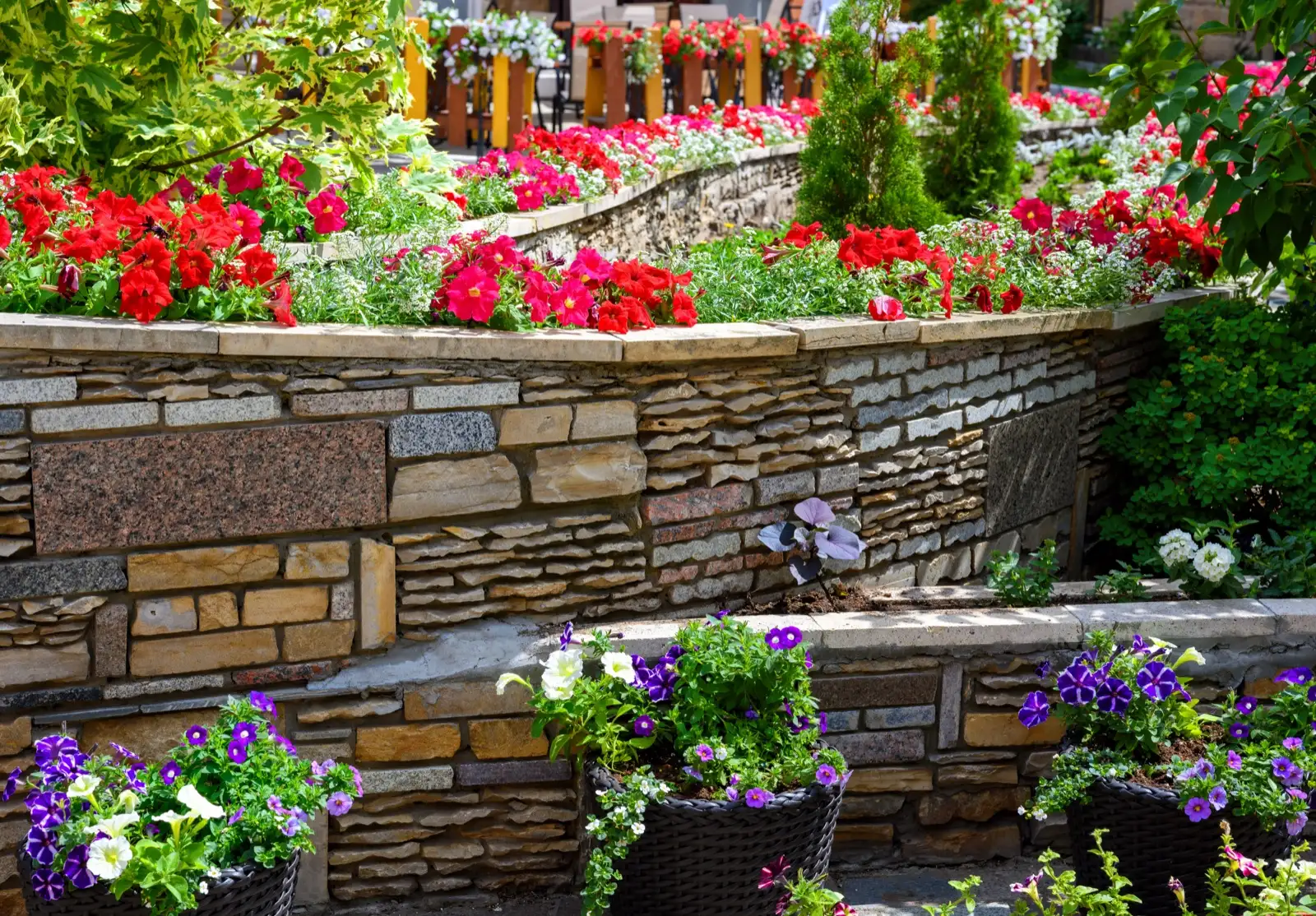
Low stone and boulder edging walls
Stone or boulders in place of block. Stone typically runs $15 to $95 per square foot by some 2026 national figures, and rock has its own page at boulder retaining walls.
Get your small garden retaining wall on the calendar
Have the measurements handy and give us a call.
What does a small garden retaining wall cost?
A small garden wall is priced on its face area and its material. The figures below sit at the small end of the typical national price ranges.
| Wall | Typical price |
|---|---|
| 50 ft of wall, 2 ft high | $2,000 to $6,000 |
| Interlocking block, per sq ft of wall face | $15 to $35 |
| Block, 40 ft by 3 ft (120 sq ft) | $1,800 to $4,200 |
Typical US ranges from national cost guides: the 50 foot wall from January 2025, the block rows from October 2026. Small jobs vary a lot with the yard, and prices change.
Here’s one number worth knowing at this size. Idaho requires a contractor to be registered for any job over $2,000 in labor and materials, and $2,000 is where the typical range for the 2 foot wall begins. Ask for the registration number on any wall.
The figures above are general ranges, not a quote or an estimate for your yard. On a short wall the price turns on length, height at the tallest point, the material, access through the gate and anything that sits above. Other heights and materials are on the retaining wall cost page. Call us with the length and the tallest point, and we can talk through yours.
Call (208) 445-1999 to talk it throughor request a quote online
How long does a small garden retaining wall take?
If your wall stays at 4 feet or less from the bottom of the footing and carries no surcharge, there’s no building permit to wait on, so the first date to plan around is the utility locate. Even a short wall starts with a trench, and Idaho’s dig law says the locating service needs notice at least 2 and not more than 10 business days before the digging. Weekend projects slip, so note the date: if digging hasn’t started within three weeks of the notice, the ticket has to be renewed.
For the build itself, small block walls of about 60 to 160 square feet of face commonly take 2 to 4 days. Times vary, so ask for your own build days in writing.
Does a small retaining wall need a permit?
Not up to 4 feet, unless it carries a load. Meridian uses the state’s measure: a retaining wall not over 4 feet from the bottom of the footing to the top is exempt, unless it supports a surcharge. Past that height Meridian says a Residential Miscellaneous (R-MISC) permit will be required. Building Services is at 33 E. Broadway Avenue.
The catch is the part you can’t see. Meridian counts from the bottom of the footing, not from the lawn, so the buried block and whatever the office treats as footing sit inside that 4 feet. Planning a wall that comes near it? Ask Building Services how it measures before you settle the design.
Good to know The block industry association measures wall height from the top of the leveling pad, buried block included. The permit rule starts at the bottom of the footing.
Three things matter more than height. First, a load above the wall: the exemption is gone, and the code asks for engineered design once a wall resisting loads besides soil is more than 24 inches tall. Second, the street yard, where Meridian requires a fence permit under limits written for fences. Third, an easement. The Nampa & Meridian Irrigation District requires a license agreement for any encroachment by structures or landscaping, and any other district should be asked before you build in or near its easement. If a ditch runs along the wall line, say so when you call.
Loads, tiers and each city’s version are on the retaining wall permits page.
Check your wall against the permit ruleor send us the details
Want a second opinion first?
Tell us what you are weighing and we will talk it through.
Does a small retaining wall need a foundation or drainage under and behind it?
Both, in gravel.
The trench comes first: 18 inches wide and 4 inches deep for a wall under 4 feet, plus extra depth for the buried block, per a block manufacturer’s residential guide. The block industry association asks for a leveling pad at least 6 inches thick, reaching about 6 inches past the front and back of the wall. Those two figures don’t match, so ask which one your wall follows. Manufacturer guidance puts minimum buried block at 6 inches, assuming flat ground in front.
Behind the units goes at least 12 inches of gravel fill. One manufacturer’s installation guide lines the excavation with filter fabric, grades the ground 2 to 5 percent away from the wall, and says of the drainage layer: “Without this layer the wall will fail.”
The drain pipe depends on your soil. Block manufacturer guidance calls for one behind any wall built in silty or clay soil, whatever the height. Water is the usual culprit. University extension guidance says most retaining walls fail because of pressure from water or soil moisture building up behind them.
Can I build a small retaining wall myself?
You can, within three limits.
- Registration doesn’t apply to owners, with a condition The state licensing agency exempts owners doing their own work on their own land, as long as they don’t intend to sell within 12 months.
- The locate is still yours to call in Dig Line offers free locates at 811 and has a homeowner ticket path. The state’s Damage Prevention Board says digging needed within 24 inches of a marked line should be done by hand.
- Height is where it stops One manufacturer’s guide wants an engineer for walls over 36 inches, the bottom of the 3 to 4 feet the block industry association gives as typical for unreinforced block.
For the order of work from trench to cap, see retaining wall installation.
What to look for in a small retaining wall quote
Half of this is what you send. The rest should come back in writing.
- Length Along the line the wall will follow, curves included.
- Height at the tallest point And how much the ground falls along the run.
- What sits above Lawn, a patio, a fence, a driveway. A photo shows it.
- Access Gate width and the path in from the street.
- Base Trench size and inches of compacted rock.
- Buried block How much of the first course ends up below finished grade.
- Drain rock and pipe Gravel depth behind the block, and whether a pipe is included.
Small garden retaining wall questions
How much does a small retaining wall cost?
For 50 linear feet of wall 2 feet high, the typical national range is $2,000 to $6,000. At published block rates, a wall 40 feet by 3 feet works out to $1,800 to $4,200. Your own yard’s price comes from the contractor.
Do I need a permit for a small retaining wall?
Not if it’s 4 feet or less from the bottom of the footing to the top and doesn’t support a surcharge. Just remember to count the buried part.
Do small retaining walls need drainage?
Yes. The block industry association calls for at least 12 inches of gravel behind the units. The pipe depends on the ground: a block manufacturer’s rule is one in silty or clay soil.
Is my wall too small to get a quote?
No. No wall is too small to ask about, down to a single bed edge. Call us with the length and the height at the tallest point, send a photo if you have one, and we’ll help you look for a contractor who takes small jobs.
Don't see your question? Call (208) 445-1999.
Sources and review date
Reviewed October 2026. Sources: Idaho residential code, contractor registration rules and dig law; Nampa & Meridian Irrigation District; Idaho Damage Prevention Board and Dig Line; City of Meridian permit handout and development code; block industry association and block manufacturer guides; a university extension page; contractor-published build times; national cost guides (January 2025 and October 2026).