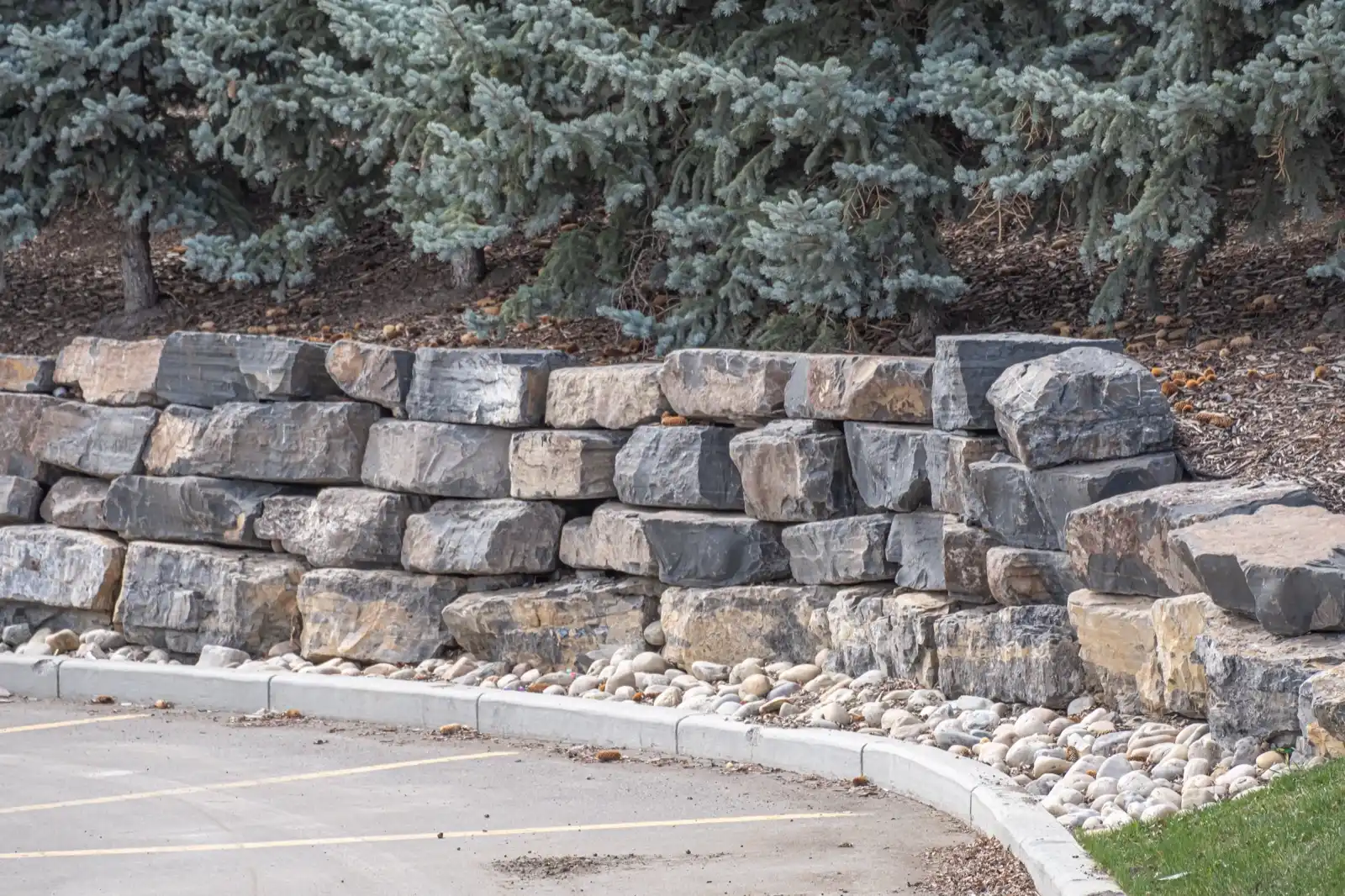
Meridian Retaining Walls helps Meridian, Idaho homeowners find local contractors for boulder and rock retaining walls on slopes and banks. Natural stone typically runs $20 to $90 per square foot of wall face, so a stone wall 40 feet long and 3 feet high works out to $2,400 to $10,800, the widest spread of any wall type.
Boulder walls, rockeries and natural stone walls are all covered, for Meridian and the foothill and terrace lots around it. Boulders are heavy, so a machine has to be able to reach the wall line. And a tall rockery is engineered work.
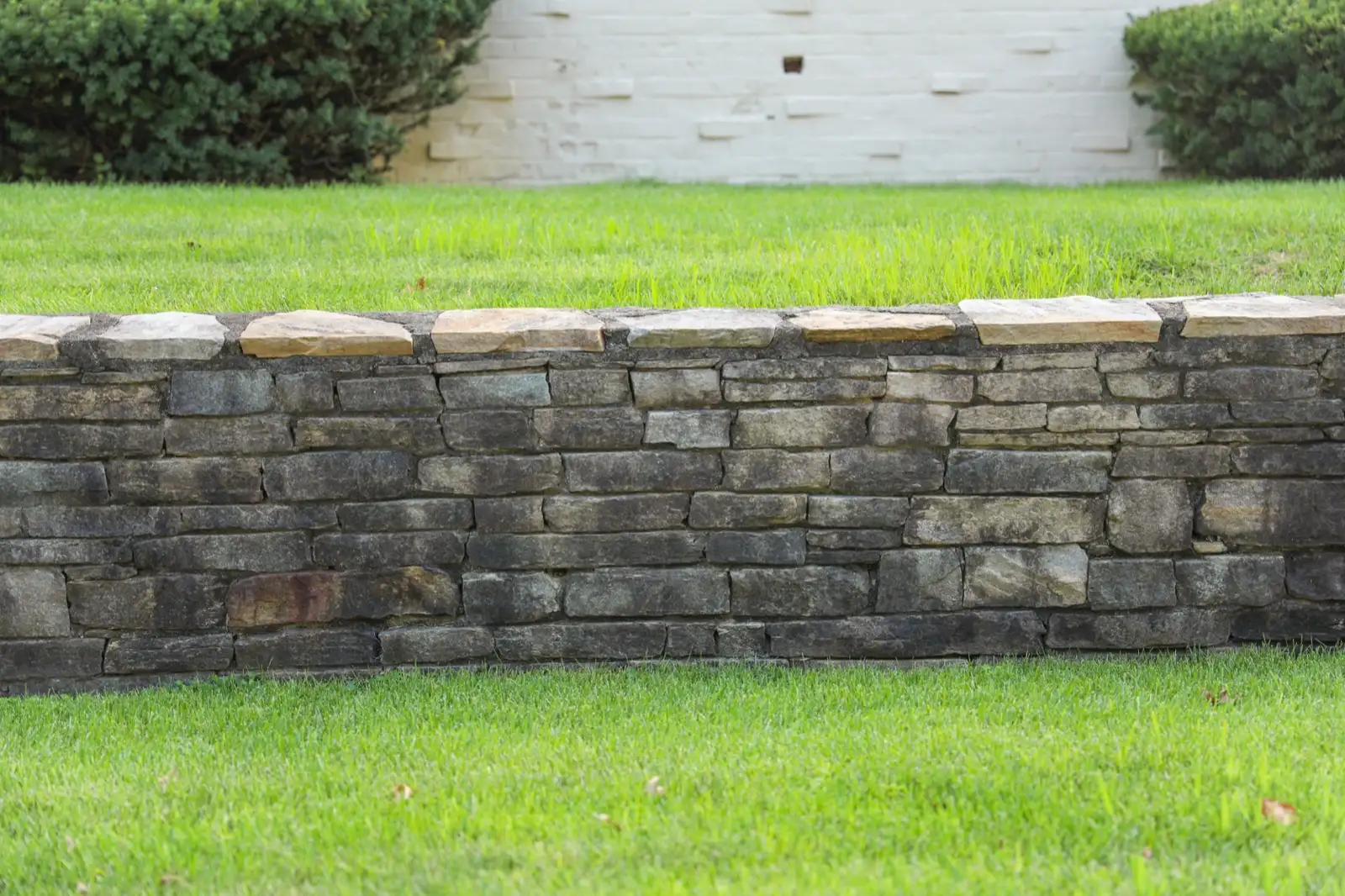
- Typical natural stone price
- $20 to $90 per sq ft of wall face
- Face lean
- 4:1 to 6:1, vertical to horizontal
- Drain rock zone
- At least 12 in wide
- Upper tier setback
- At least 6 ft
Boulder and rock retaining wall services in Meridian
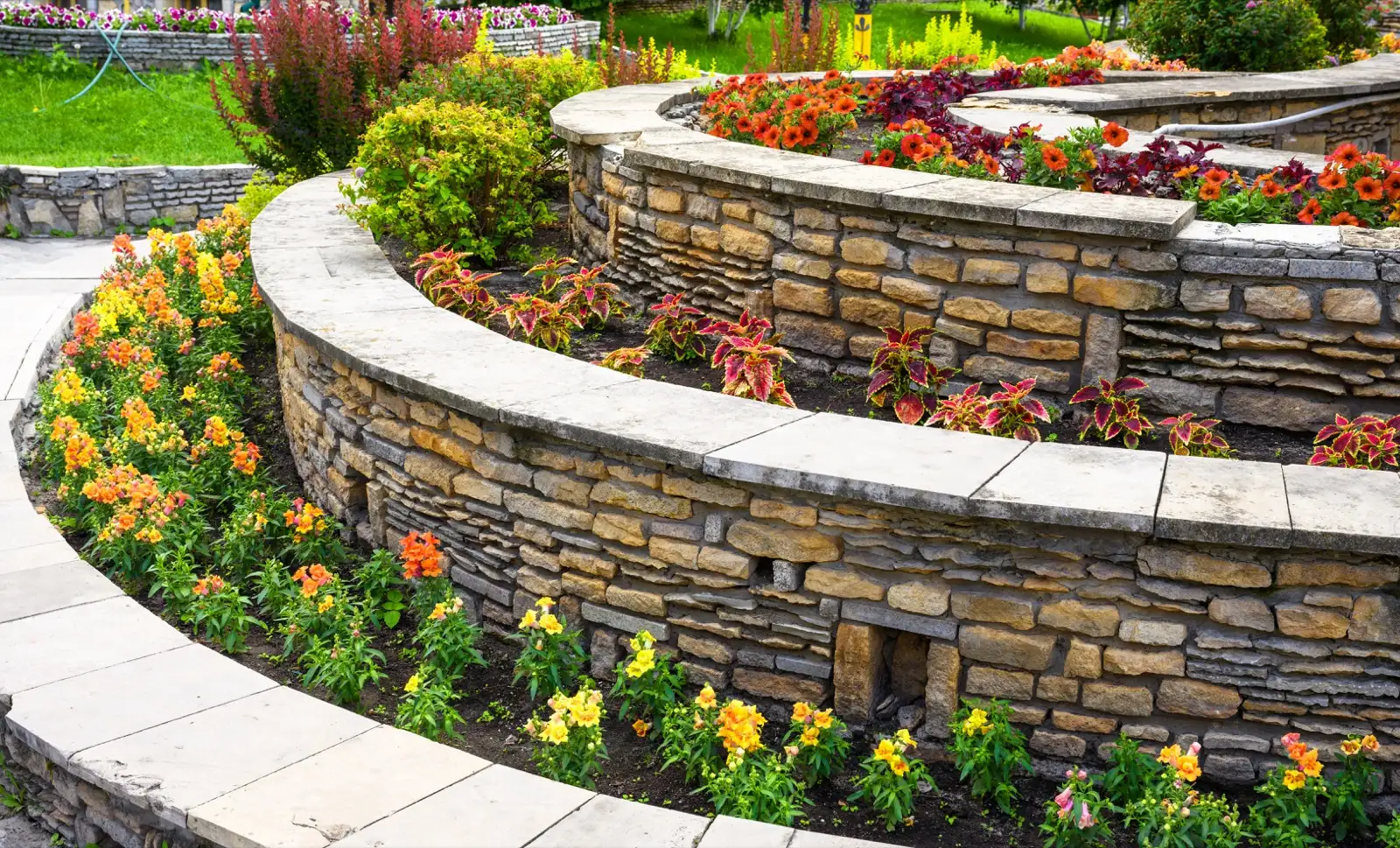
Boulder retaining wall for a backyard slope
For a slope with room for the face to lean back and a way in for a machine. Federal rockery guidance asks for a face leaning back between 4:1 and 6:1, vertical to horizontal.
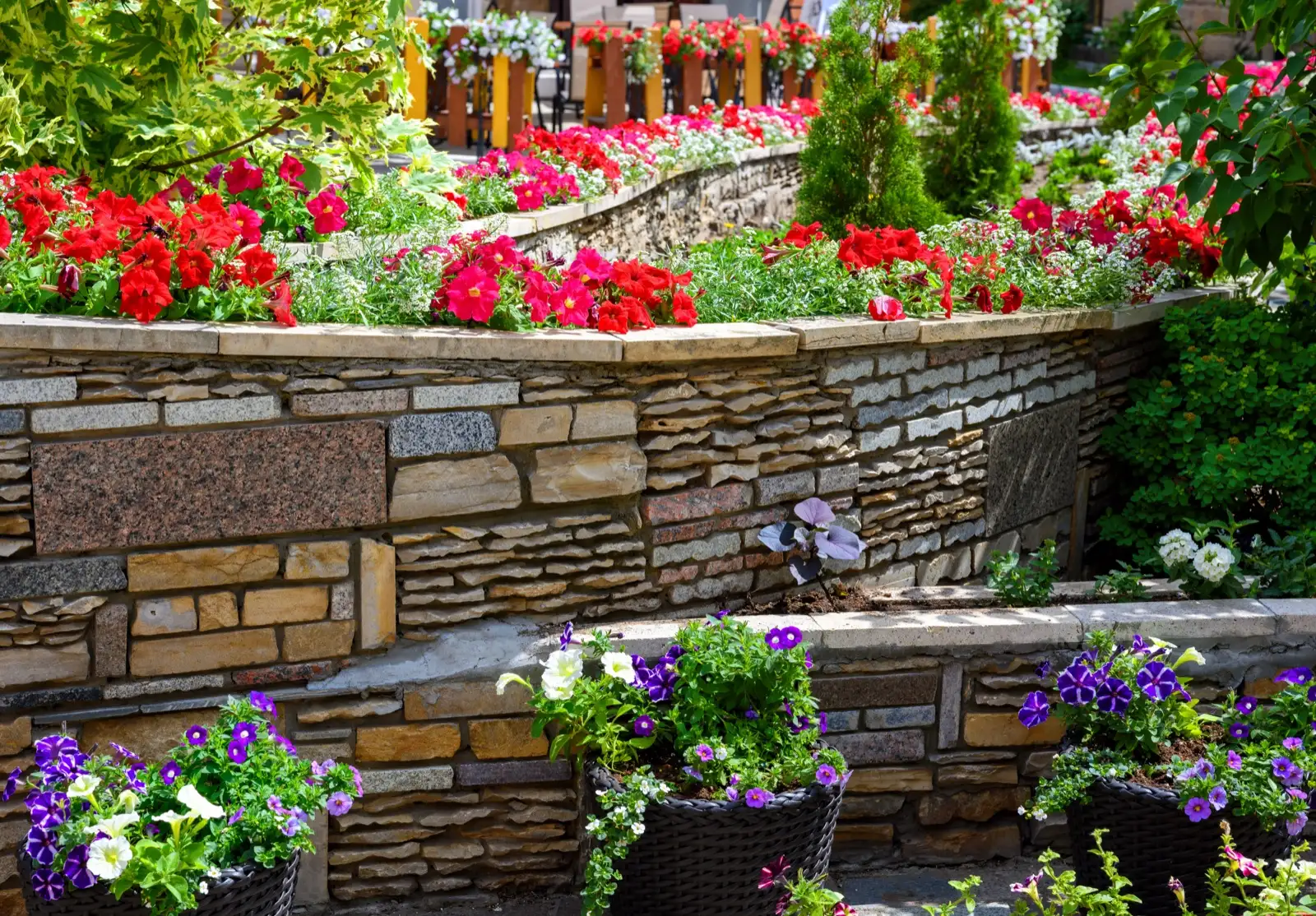
Tiered rock retaining walls
A taller slope taken in two steps, with a bench between the two rockeries. For tiered retaining walls in rock, the upper tier is set back at least 6 feet before it’s treated as a separate wall.
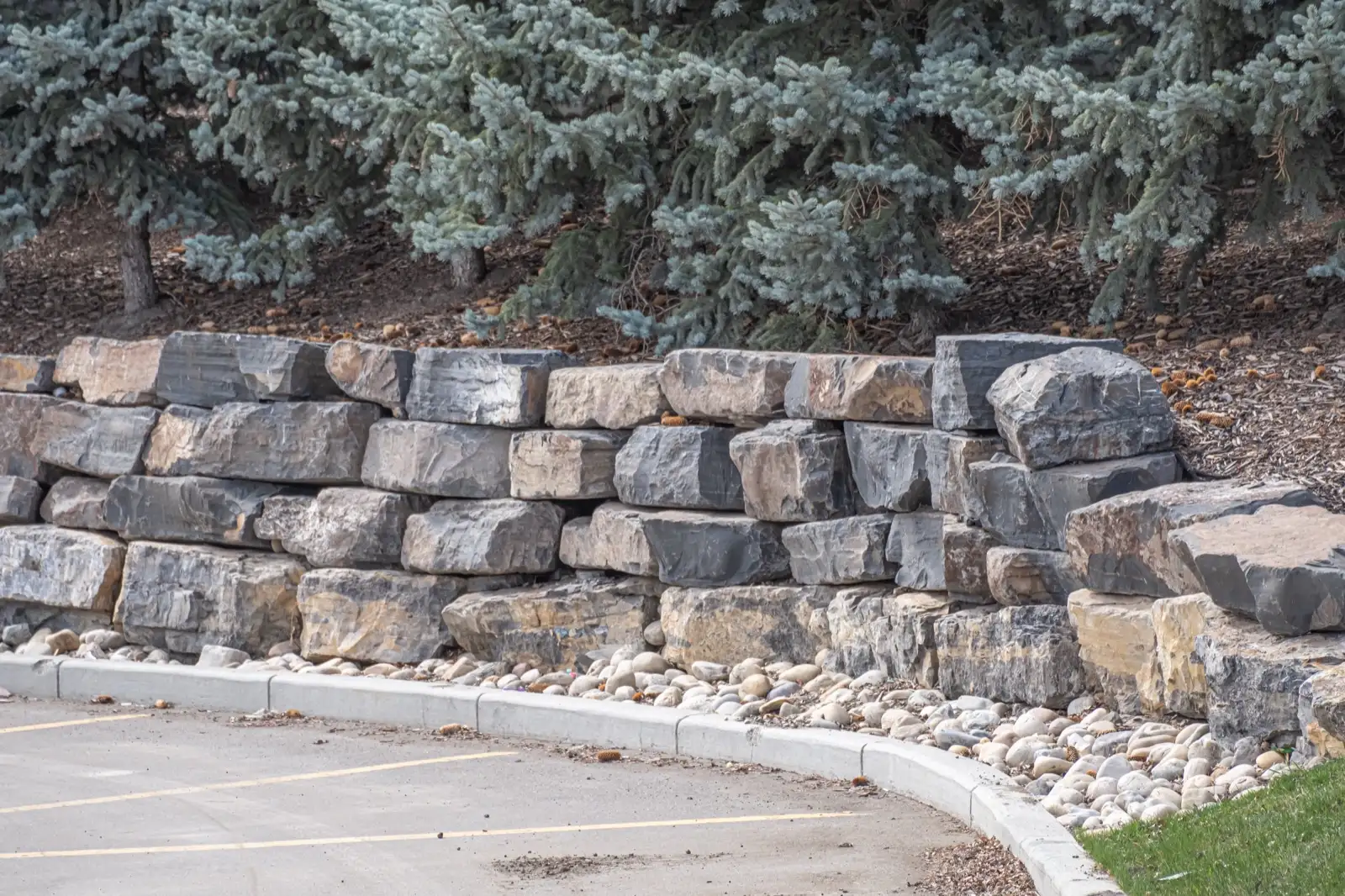
Boulder walls beside a driveway or parking area
A wall with cars above it carries that load as well as the soil. Federal guidance treats traffic as equal to 2 feet of extra soil above the wall. See driveway retaining walls.
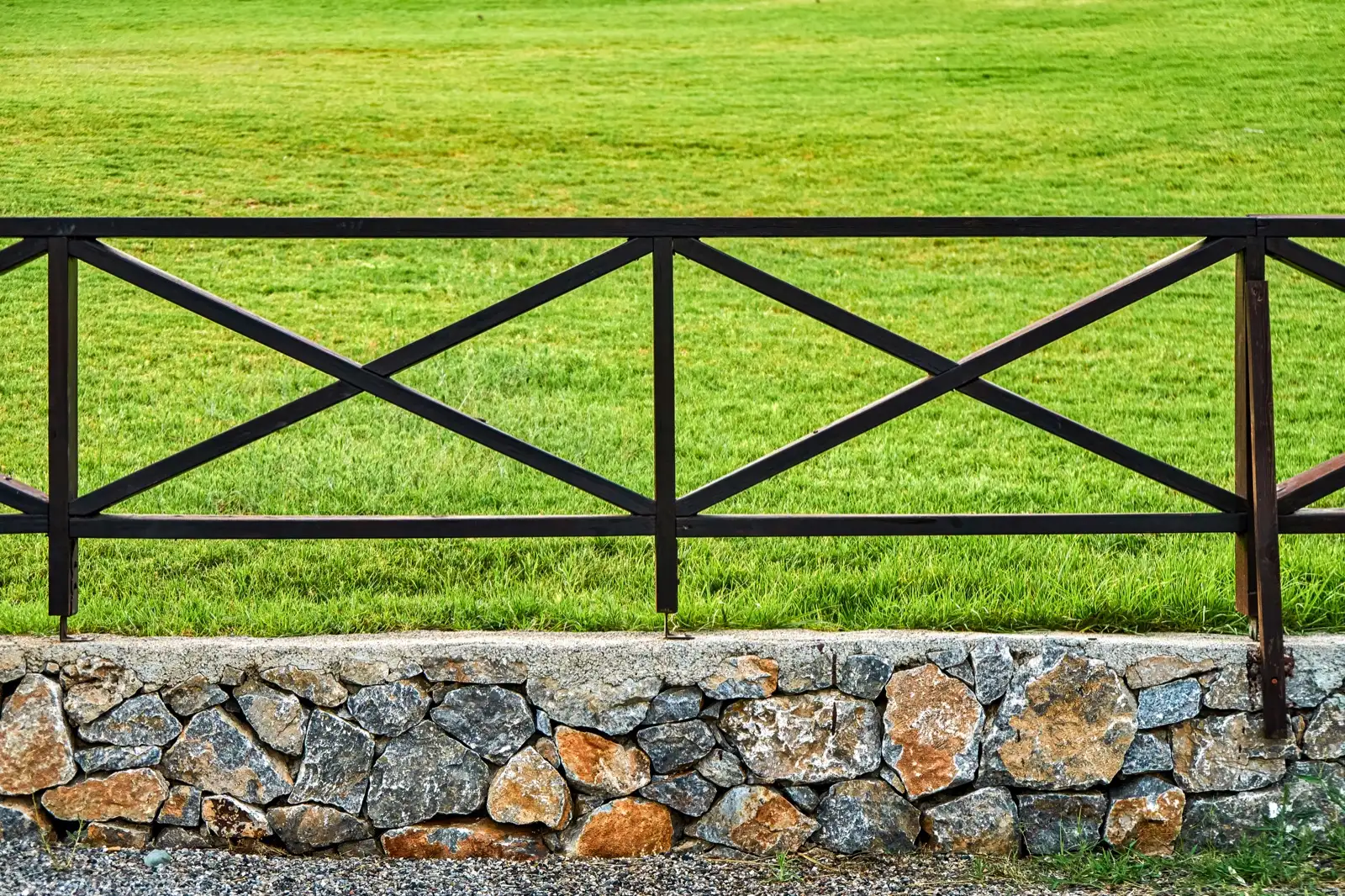
Low rock garden and border walls
A short decorative edge in rock. Rockery rocks are generally over 18 inches and over 200 pounds, so keep that in mind before you plan small garden retaining walls in boulder.
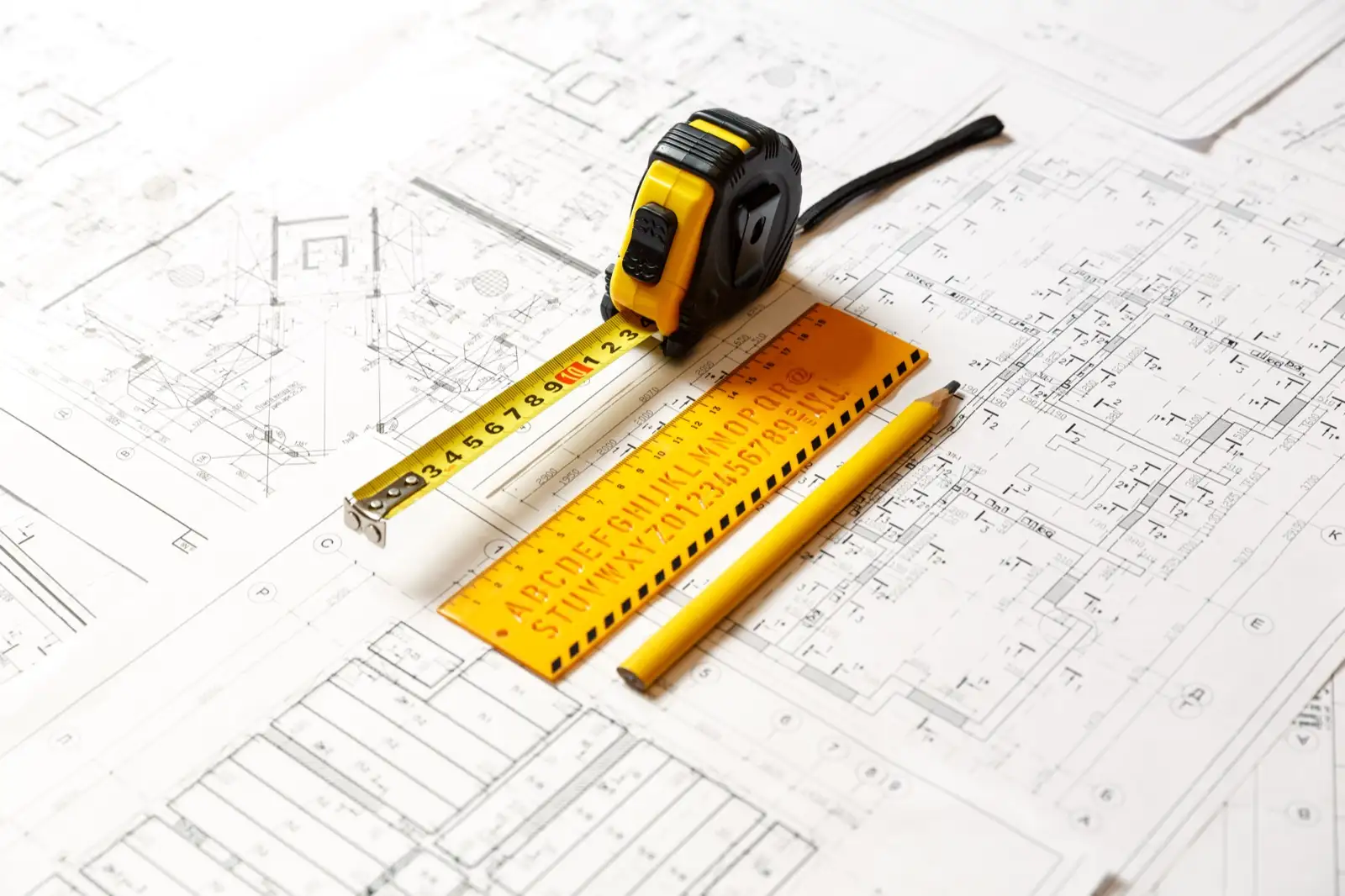
Tall rockeries that need an engineer
A cut or fill slope past what one tier can hold, planned from stamped drawings like other engineered retaining walls. The single-tier limit is about 12 feet in fill without geogrid.
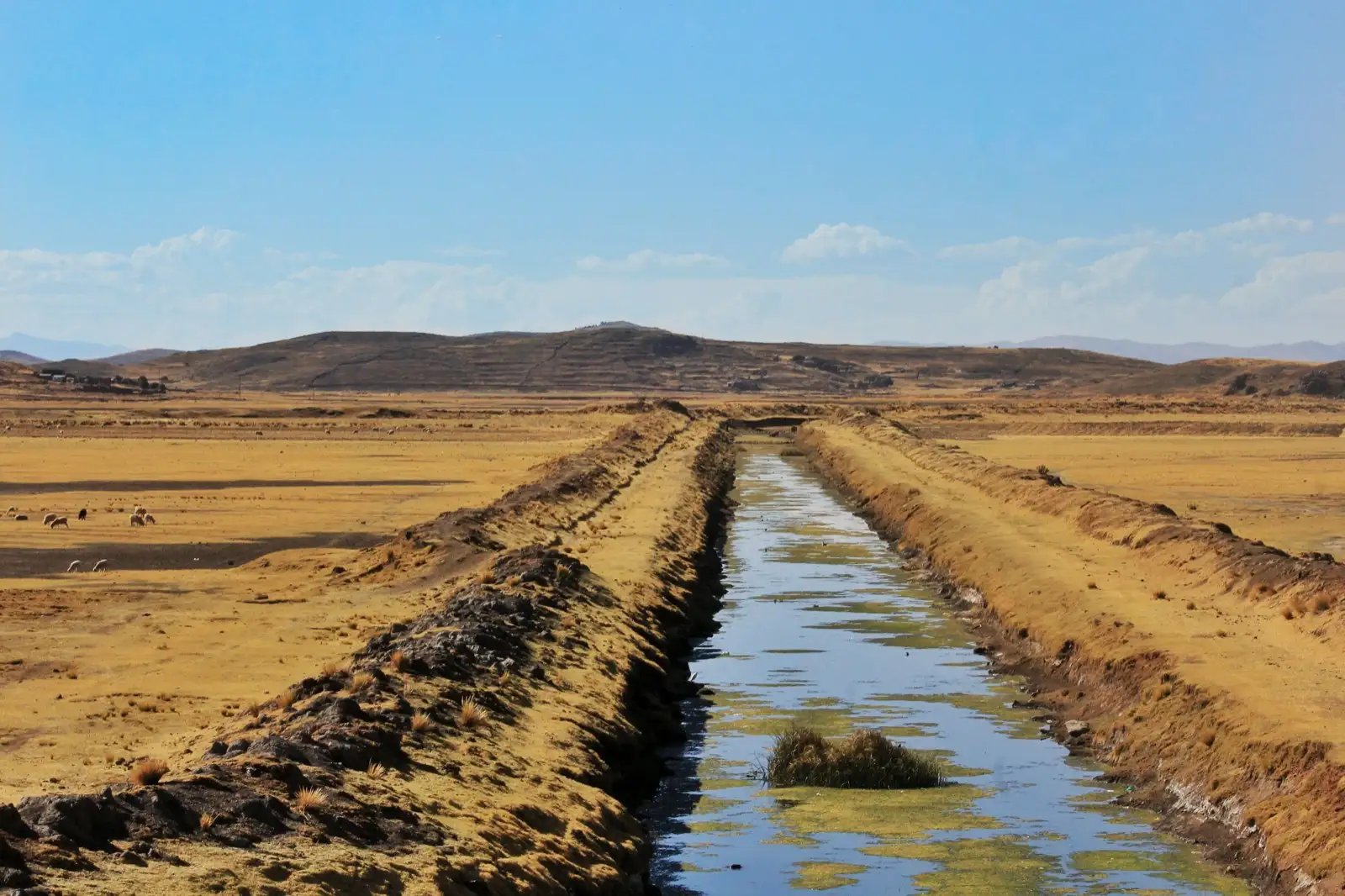
Rock wall on basalt or hardpan ground
For lots south of Boise, where what’s under the lawn shapes the dig. There the Colthorp soil has hardpan at 10 to 20 inches and basalt bedrock at 20 to 40.
Ready to plan your boulder retaining wall?
A short call with the wall size and a couple of photos is the best start.
What does a boulder retaining wall cost, and why is the range so wide?
A boulder wall’s price comes down to wall face area, the rock and how a machine reaches the wall. Take one wall, 40 feet long and 3 feet high, which is 120 square feet of face, at typical national price ranges.
| Wall type | Typical price per sq ft of face | The 40 ft by 3 ft wall |
|---|---|---|
| Natural stone or boulder | $20 to $90 | $2,400 to $10,800. |
| Poured concrete | $20 to $40 | $2,400 to $4,800. |
| Interlocking block | $15 to $35 | $1,800 to $4,200. |
Typical US prices from national cost guides, October 2026. They shift over time and with the rock, the slope and the site.
The table shows general ranges. It isn’t a quote or an estimate for your bank, where height, length, rock size, machine access and what the dig meets all move the figure. Call us with the slope, the length and the way in from the street, and we’ll help you look for a contractor who works in rock and can price the job.
Stone and concrete start at the same $2,400. The gap is all at the top. Some guides put stone wider still, at $15 to $95 per square foot.
Access is the first thing to tell us about. Federal rockery guidance names a hydraulic excavator with a rotating clamshell as the preferred machine and limits thumb attachments to relatively small jobs.
The retaining wall cost page prices the same wall in every material.
Call (208) 445-1999 to talk it throughor request a quote online
How long does a boulder retaining wall take?
A rockery starts with a utility locate, called in at least 2 and not more than 10 business days before excavation, as Idaho’s dig law requires. If digging hasn’t started within three weeks of that notice, the ticket has to be renewed. The state’s Damage Prevention Board page also says any digging needed within 24 inches of a marked line should be done by hand.
A wall that needs a permit adds the office’s review. Star quotes 2 to 4 weeks for small residential review, or 5 to 8 with one round of corrections. Caldwell’s packet puts residential plan review at not more than 5 to 7 working days with a complete submittal.
Placing the boulders is the part to ask about. Get the number of days in writing with the price.
Good to know Meridian’s handout exempts a retaining wall not over 4 feet, measured from the bottom of the footing to the top of the wall, unless it supports a surcharge. A rockery taller than that will need a Residential Miscellaneous (R-MISC) permit, the same handout says.
Boulder retaining wall or block wall?
Weighing boulders against block retaining walls? Here’s that same wall in both.
| Boulder or natural stone | Interlocking block | |
|---|---|---|
| The 40 ft by 3 ft wall | $2,400 to $10,800 | $1,800 to $4,200 |
| Height without reinforcement | One tier to about 12 ft in fill without geogrid (federal rockery guidance) | Typically 3 to 4 ft, less with poor soil or a load above (block industry association) |
| Course under the wall | 12 in of crushed rock | Leveling pad at least 6 in thick |
Wall prices are typical US ranges from October 2026 cost guides, not quotes; they change with the site.
Block is lower at both ends. One caution on the height row: Idaho’s code requires engineered design once a wall retains more than 48 inches of unbalanced fill, whatever it’s made of.
Have a question before you decide?
Call and talk it through. Asking costs nothing.
How a boulder retaining wall is built, from base course to drain rock
The steps every wall shares are on the retaining wall installation page. Here are the rockery’s own steps, with the federal guidance’s numbers.
- Excavation The cut is as wide as the base rock plus 12 inches.
- Leveling course Twelve inches of crushed rock go down before the first boulder.
- Base course Base rocks are tilted back at least 5% and buried at least 12 inches on level ground. A survey of rockery practice puts minimum base width at about half the wall height.
- Face Each facing rock inclines back into the slope by at least 5%. The face as a whole leans between 4 to 1 and 6 to 1, vertical to horizontal.
- Drain rock A zone at least 12 inches wide, with a 4 inch perforated pipe.
- Cap rocks These weigh 200 pounds or more.
Is the ground right for a boulder wall? Basalt, hardpan and terrace gravel
That first step is a dig, and what the bucket meets depends on where the lot sits.
South of Boise, the Colthorp soil has hardpan at 10 to 20 inches and basalt bedrock at 20 to 40. The Purdam soil, described near Caldwell and extensive in southwest Idaho, has a cemented hardpan at 20 to 40 inches and a subsoil of 24 to 32 percent clay. Gravel is the third case: the Boise River cut a sequence of gravel terraces into the valley fill, and pits work the Whitney Terrace and the floodplain near Eagle.
So tell us what’s under the lawn when you call. If a fence post hole on your lot ever stopped at something hard, say how deep.
What to look for in a boulder retaining wall quote
- Access width How the machine and the rock get from the street to the wall line, and what they cross on the way.
- Room for the lean A battered face sits further back at the top than at the base. Ask for the batter as a ratio, vertical to horizontal.
- Drain rock and pipe The 12 inch drain rock zone and the 4 inch perforated pipe, written down.
- Outlets Where the pipe lets water out. The federal figure is no more than 100 feet apart.
- Rock source The kind of rock, where it comes from and whether delivery is its own line.
- References The federal guide specification asks the contractor for references from at least three rockeries of similar size. It’s fair to ask the same of anyone pricing yours.
Boulder retaining wall questions
How much does a boulder retaining wall cost?
Natural stone runs $20 to $90 per square foot of wall face, installed, by 2026 national figures. That’s a typical published range, not a quote for a Meridian wall.
Do boulder retaining walls need drainage?
Yes. Federal rockery guidance asks for a drain rock zone at least 12 inches wide. There’s a local reason as well: by the state’s water budget, canal seepage is the largest source of groundwater recharge in the Treasure Valley.
Does a rock retaining wall need an engineer?
Past a certain height or load, yes. Idaho’s adopted residential code requires engineered design for a retaining wall that isn’t laterally supported at the top and retains more than 48 inches of unbalanced fill. The same goes for a wall more than 24 inches tall that resists loads besides soil. Per the state engineering board, those plans must be prepared by an Idaho licensee, so a homeowner can’t draw them for their own wall.
How long do boulder retaining walls last?
Federal guidance gives a record, not a number of years: rockeries from the late 1800s still exist and many from the 1930s are still in use, though some have failed.
Don't see your question? Call (208) 445-1999.
Sources and review date
Reviewed October 2026. Sources: federal rockery design and construction guidance; Idaho residential code, engineering board, dig law and Damage Prevention Board; City of Meridian accessory structure handout; Star and Caldwell permit pages; block industry association; federal soil survey; Boise State University terrace study; Idaho's Treasure Valley water budget; national cost guides (October 2026).