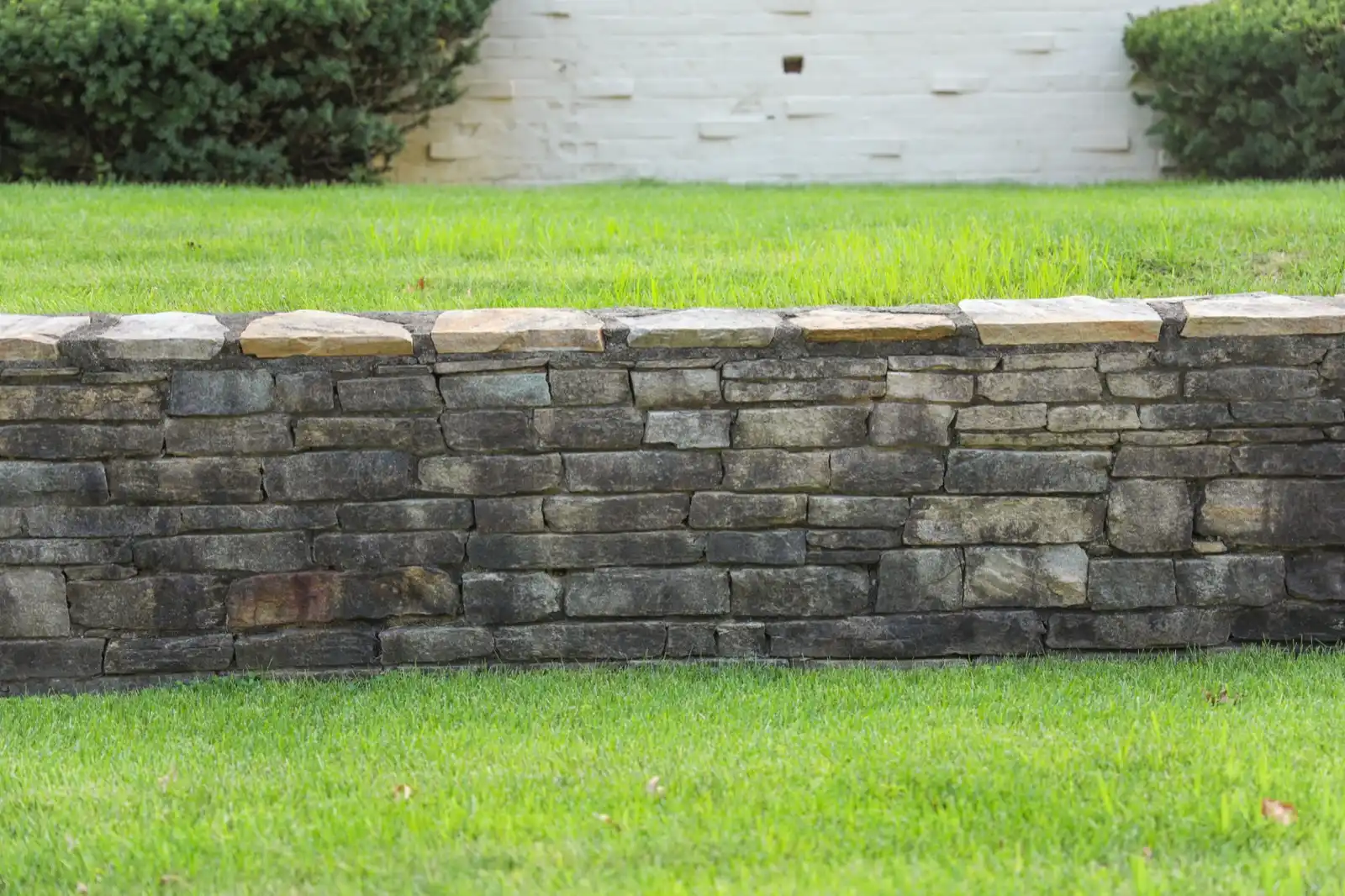
With retaining wall repair, the first question is why the wall moved, and Meridian Retaining Walls can talk you through it for walls in Meridian, Idaho, from one settled section to a full tear-out and rebuild. Typical national figures put an average repair at $750, a leaning or bowing repair at $250 to $1,500 and a rebuild at $70 to $125 per linear foot.
The cause decides between a repair and a rebuild. Before you call, take photos of the top of the wall, the ground at its foot and the worst section with a level held against it.
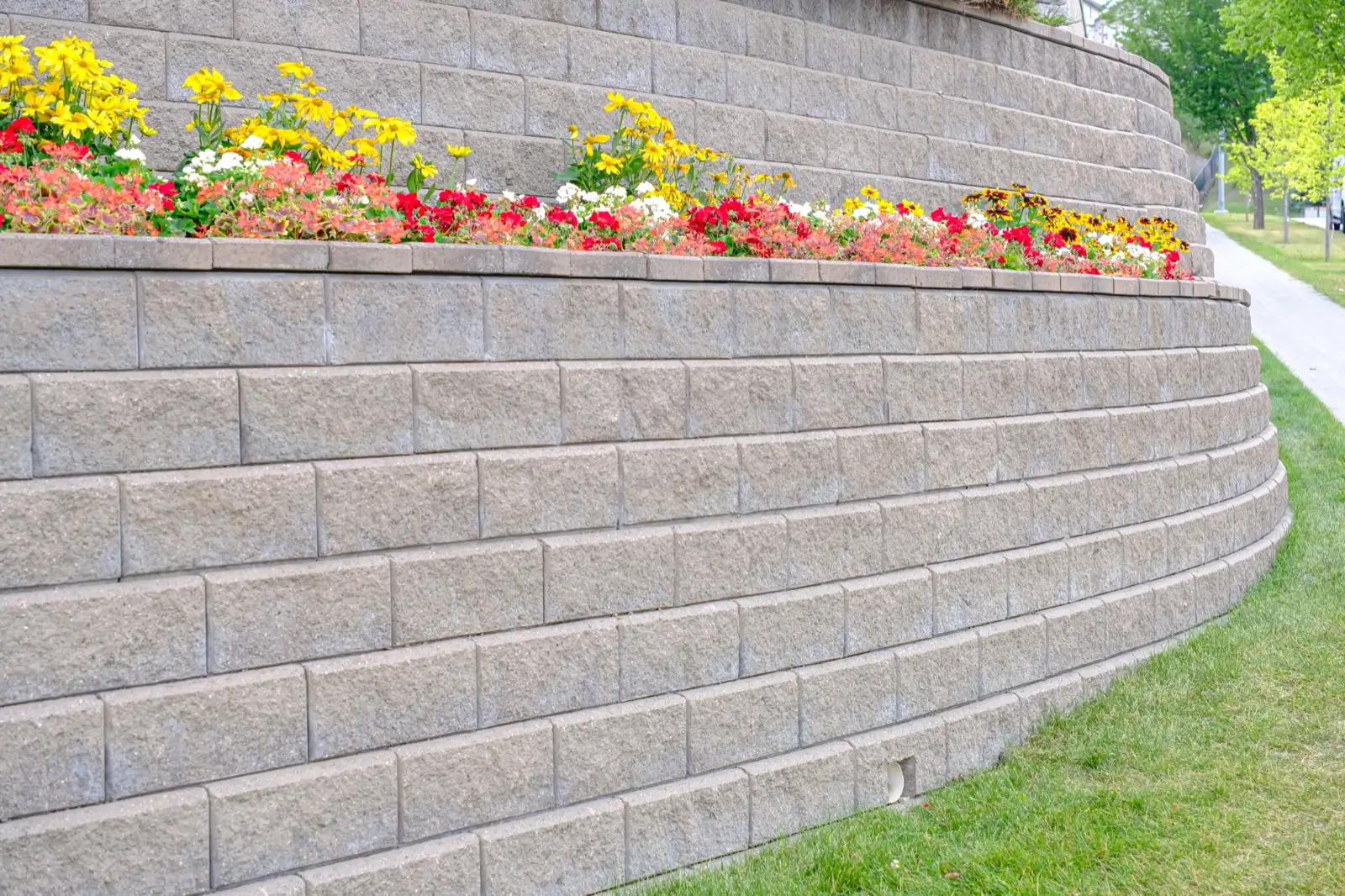
- Average published repair
- $750
- Typical leaning or bowing repair
- $250 to $1,500
- Typical rebuild rate
- $70 to $125 per linear foot
- Water-related failures
- 60% of 171 failed geosynthetic-reinforced walls
Retaining wall repair and replacement services in Meridian

Railroad tie and timber wall replacement
For a tie wall going soft. Ask for the tear-out and the new wall as two prices. One builder’s 1991 account gives a properly built timber wall about 25 years. There’s more on the railroad tie wall replacement page.

Leaning and bulging retaining wall repair
For a wall that has moved. A forensic engineering firm puts leaning and bulging in its immediate-assessment tier, and the leaning retaining wall page covers what a lean points to.
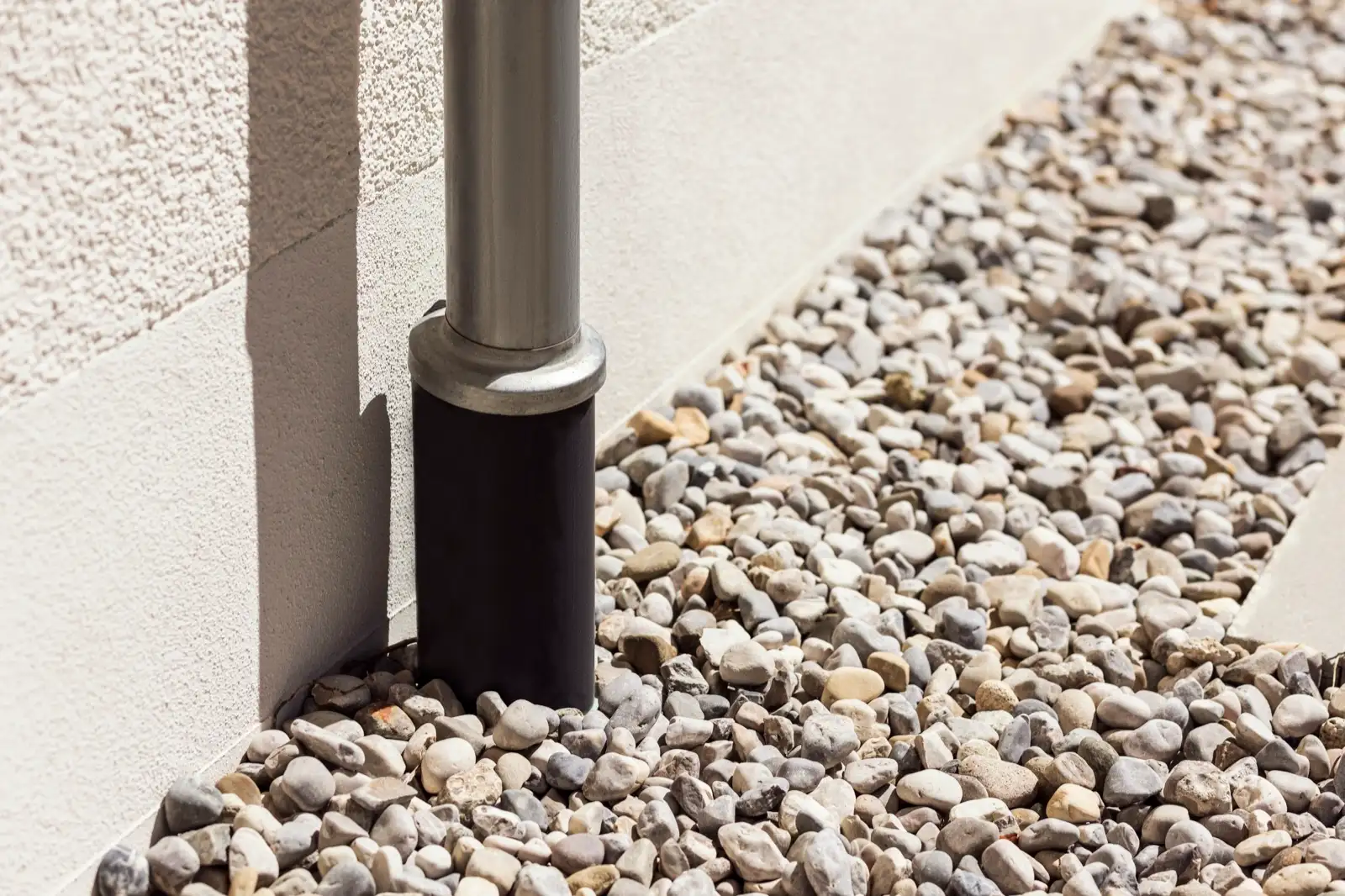
Retaining wall drainage repair
For a wall holding water or washing soil out at its foot. In a 400-wall database of failed geosynthetic-reinforced walls, 63% of failures were water-related, so retaining wall drainage is the first thing to ask about.

Full retaining wall tear-out and rebuild
For a wall past repair. Removal, haul-off and the rebuild belong on separate lines. Removal typically runs $10 to $20 per square foot nationally, plus $20 to $30 for hauling and disposal.
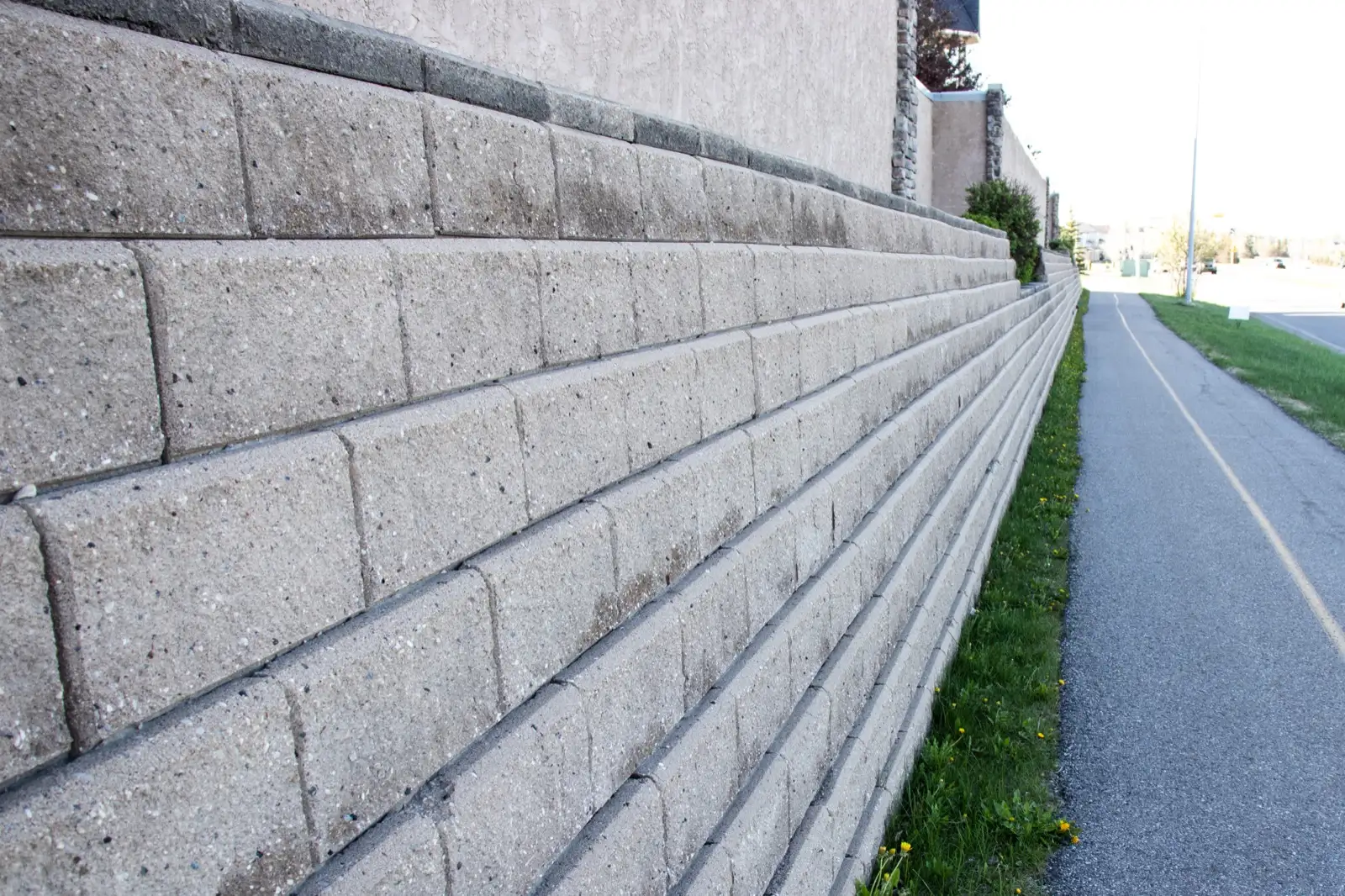
Settled block wall restacked
For a segmental wall with one dipped section, where that section alone may be all that needs work. Block manufacturer guidance says minor settling doesn’t hurt the wall’s structural integrity.

Retaining wall repair before a home sale
For a wall flagged in an inspection. Have the written findings handy when you call. Where the code requires engineering, Idaho’s engineering board says the plans must come from an Idaho licensee.
Let's talk about your retaining wall repair
Call with the length and height and what sits above the wall.
Retaining wall repair cost, with rebuild, removal and drainage priced apart
A repair price comes down to what failed, how much of the wall it affects and whether the old wall has to come out. Here are typical national prices, line by line.
| Line | Typical price |
|---|---|
| Average repair | $750. |
| Typical repair range | $400 to $1,065. |
| Leaning or bowing repair | $250 to $1,500. |
| Rebuild | $70 to $125 per linear foot. |
| Removing the old wall | $10 to $20 per square foot. |
| Hauling and disposal | $20 to $30 per square foot more. |
| Drainage retrofit | $60 to $70 per linear foot. |
| Structural engineer | $100 to $200 an hour. |
Typical US ranges, January 2025; repair range October 2026. What failed decides the real price.
Look at the removal line first. A wall 40 feet long and 3 feet high is 120 square feet, so taking it out works out to $3,600 to $6,000 with hauling, before the new wall is priced. Adding drainage along the same 40 feet works out to $2,400 to $2,800 at the retrofit rate.
These are general ranges, not a quote or an estimate for your wall. What caused the damage moves the price, and so do the wall’s height and length, drainage, any engineering and getting the old wall out. The retaining wall cost page runs these rates across wall types and sizes. Send photos and measurements, and we’ll help you find someone to price the damage.
Call (208) 445-1999 to talk it throughor request a quote online
How long does retaining wall repair take?
Where a rebuild needs a permit, the permit sets the first wait. Meridian lists a residential permit at 7 to 10 business days from submittal to approval with in-house review, and inspections on the next business day. Those figures were last published by the city in 2021, so confirm them with Building Services.
A replacement can need a permit too: Caldwell’s September 2026 building report lists a residential permit for a retaining wall replacement. Ask your city before the old wall comes out, not after.
Get the time on the wall in writing before work starts.
Repair or replace a retaining wall: how to decide
Sort by cause, not by how bad it looks.
| What you find | Leans toward | Why |
|---|---|---|
| One dipped section of segmental block, the wall otherwise true | Repair that section | Per block manufacturer guidance, a settled section can be unstacked, the base raised and the blocks restacked, and minor settling does not hurt the wall’s structural integrity. |
| A segmental block wall leaning | Take down and restack | A leaning segmental wall can’t be pushed back, because forcing it can crack blocks and break the base. The manufacturer’s fix corrects base, drainage and setback, then restacks. |
| Rotting ties or timbers | Replace | One builder’s published account gives surface-dipped pine ties six or seven years and a properly built timber wall about 25. |
| Soil washing out below the wall | Fix the water first | An engineering firm lists runoff from a neighboring property and tree roots among the causes of failure. |
| A wall under four years old and moving | Find the cause before paying for a patch | In a 2013 database of 171 failed geosynthetic-reinforced walls, 86% of failures happened within four years. |
None of this promises a wall can be saved.
Good to know Watching a lean? Block manufacturer guidance says to check it with a 4 foot level every few weeks and keep dated photos.
Still weighing it up?
Permits, engineering, drainage or price: ask before you commit.
Why retaining walls fail in Meridian soil
Water is the big one. Most retaining walls fail because of pressure from water or soil moisture building up behind them, according to university extension guidance. A 2013 database of 171 failed geosynthetic-reinforced walls put 60% of its failures down to water, and the later 400-wall version says 63%.
The same database traced 98% of failures to design or construction, and a patch on the face changes neither.
Meridian adds two things. One is the ground: Purdam soil, extensive in southwest Idaho, has a subsoil of 24 to 32 percent clay over a cemented hardpan 20 to 40 inches down. In silty or clay soil, block manufacturer guidance calls for a drain pipe behind the wall. The other is canal seepage, the largest source of groundwater recharge in the Treasure Valley, according to the state’s water budget.
On any repair quote, ask where the water behind the wall goes.
Signs a retaining wall is failing
An engineering firm lists five warning signs, and a forensic engineering firm sorts them by urgency.
- Leaning or tilting The forensic firm puts this in its immediate-assessment tier.
- Bulging or bowing Same tier, along with partial collapse. The firm says the area around such a wall should be treated as a safety concern until an engineer evaluates it.
- Cracking Horizontal or stair-step cracks that are widening sit in the firm’s prompt-review tier.
- Separated joints On the engineering firm’s list of warning signs.
- Erosion below the wall Prompt review, as is persistent seepage.
- White staining with nothing else Not a sign. The block industry association says it doesn’t affect structural performance; early, even bloom weathers away, while late or recurring streaks mean water is getting in and needs correcting.
Seeing either of the first two? Call us.
A retaining wall flagged before a home sale
An inspection report names the symptom, not the cause. Finding the cause is a structural engineer’s job, and national cost guides put that time at $100 to $200 an hour. Idaho’s engineering board says plans the code requires from a design professional must be prepared by an Idaho licensee, and owning the property doesn’t change that.
Get three things in writing before anyone prices the job:
- The cause Water, base, rot or the way the wall was built.
- The height Meridian measures from the bottom of the footing to the top of the wall.
- The fix A repair, or a rebuild that needs engineered plans.
Retaining wall repair questions
Can a retaining wall be repaired?
Sometimes. Per block manufacturer guidance, a settled section of segmental wall can be unstacked, the base raised and the blocks restacked. A leaning one is different: it can’t be pushed back into position, and the fix starts with taking the wall down.
Who repairs a retaining wall?
An independent local contractor. Call or use the form, and we’ll help you find one for your city. Whoever does the work, Idaho requires a contractor to be registered for any job over $2,000 in labor and materials.
How much does retaining wall repair cost?
An average repair comes to $750 and a rebuild to $70 to $125 per linear foot, by typical 2025 national figures. Prices change, and these aren’t a quote. What your own wall costs depends on what failed.
Does insurance cover a retaining wall?
It depends on what caused the damage, so read your own policy. One insurer says most homeowners policies don’t cover earth movement, and that retaining wall damage can be covered when lightning, wind, fire or a vehicle caused it. The Insurance Information Institute says damage from lack of maintenance is not covered.
Does replacing a retaining wall need a permit?
It can. In Meridian, a wall 4 feet or less from the bottom of the footing to the top is exempt unless it supports a surcharge. A replacement taller than that needs a Residential Miscellaneous permit from Building Services, at 33 E. Broadway Avenue.
Don't see your question? Call (208) 445-1999.
Sources and review date
Reviewed October 2026. Sources: national cost guides (January 2025 and October 2026); published databases of failed reinforced walls; engineering and forensic engineering firms' guidance; block industry association and manufacturer guidance; a 1991 trade journal article and a university extension page; City of Meridian permit handouts; City of Caldwell building reports; Idaho engineering board and Contractors Board; USDA soil survey; Idaho Department of Water Resources; Insurance Information Institute and insurer guidance.